



Most marketing teams are not short on tools. They are short on time. Briefing writers, chasing approvals, and scheduling posts across platforms consume most of their time.
According to a report, 88% of marketers now use AI tools in their daily work, yet most teams still run manual processes.
A well-built AI marketing workflow is crucial as it handles the operational weight so their people can focus on strategy. Such workflows are becoming the baseline expectation for any marketing operation that wants to scale.
This article unpacks 10 ways high-performing marketing teams use AI marketing workflows today and how you can apply each approach effectively.
10 Ways Teams Are Using AI Marketing Workflows Today
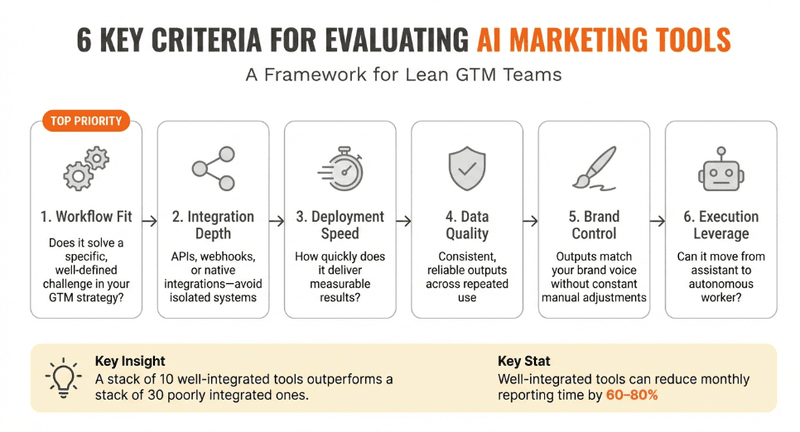
1. They Build Content Briefs With AI From the Start
Vague briefs slow every project down. High-performing teams connect their AI marketing workflow to the brief stage so writers receive a structured, keyword-aligned document before they start writing.
The brief gets generated automatically when a keyword hits the priority list. No Slack threads. No clarifying questions. Writers know what to write. Editors know what to expect. The whole content process moves faster because the foundation is solid.
Try This: Build a fixed brief template inside your AI tool with fields for persona, keyword, intent, tone, and competitors. Let AI populate it whenever a new topic is added to your queue.
2. They Use AI Agents to Run the Work Nobody Wants
Activities such as monitoring brand mentions, pulling performance metrics, and drafting initial campaign ideas sit between strategy and execution and often fall through the cracks.
High-performing teams bring AI agents into their AI marketing workflow specifically to own this space. Many organizations rely on AI integration services to connect these agents with CRM, analytics, and content systems so workflows can run end-to-end without manual coordination. These agents handle multi-step and repeatable tasks autonomously, without anyone managing each step. The team reviews outputs instead of producing them, which frees up hours every single week for higher-value thinking.
Implementation Step: Identify three tasks your team repeats every week. Pick the most predictable one and build an agent around it first. Once it runs cleanly, layer in the next.
3. They Distribute Content Across Every Channel in One Action
Most teams reformat and republish content manually across every channel after a piece goes live. That process wastes time and introduces inconsistency across platforms.
Smart teams design their AI marketing workflow to push content to blog, LinkedIn, email, and social simultaneously from one action. The distribution logic runs once, and the system handles the rest. Messaging stays consistent. Timing stays on track. The team moves on to the next piece instead of spending hours on reformatting.
Practical Move: List every channel your content currently touches. Then build a single publish workflow that adapts format and length per channel automatically so distribution stops being a separate task entirely.
4. They Score and Qualify Leads Automatically
Manual lead scoring relies too much on guesswork. Unlike this, an AI marketing workflow analyzes behavioral signals in real time, including page visits, content downloads, and email opens, and scores leads the moment they qualify.
Sales gets notified automatically when a lead crosses the threshold. The team stops chasing cold contacts and focuses only on accounts showing real buying intent. Consequently, the pipeline moves faster, and conversion rates improve without adding more people to the team.
Put This Into Practice: Choose five behavioral triggers this week. Assign weighted scores inside your CRM and set AI to surface your top 10% leads automatically every Monday.
5. They Personalize Email Sequences Without Extra Effort
Segmentation helps, but it does not make email feel personal. A strong AI marketing workflow pulls each contact's content behavior and dynamically shapes the next message around what they have already engaged with. Teams using customer engagement software can further automate this process by delivering highly targeted messaging based on real-time customer actions and engagement patterns.
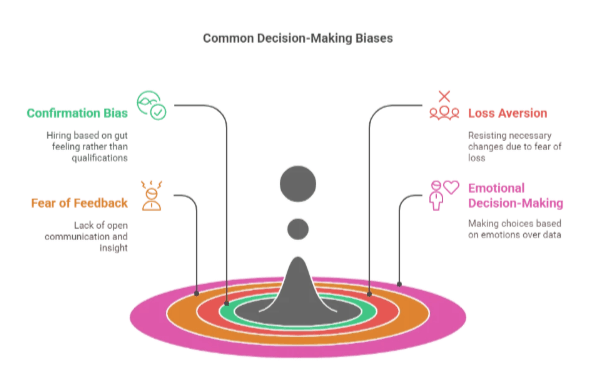
The right message reaches the right person at the right funnel stage without the team writing fifteen versions of the same email. When you pair this with a psychology tool for businesses, it maps emotional triggers to buyer stages and sharpens which angle lands at each point in the journey. AI personalization becomes far more effective when teams understand the decision biases and behavioral patterns shaping customer behavior.
Action Tip: Build one AI-driven sequence where the subject line reflects each recipient's most recent content interaction. Run it against your standard nurture for 30 days and track the difference in open and click rates. As a benchmark, look for a 2-3x improvement in performance.

6. They Turn Every Blog Post Into a Full Content System
Publishing one blog post and moving on leaves a lot of value on the table.
High-performing teams build their AI marketing workflow so that the moment an article goes live, derivative formats generate automatically. A LinkedIn post, email newsletter intro, short video script, and social caption all come from the same source without anyone starting from scratch.
Repurposing stops being a separate task on someone's to-do list. It becomes a built-in trigger that runs every time. Many agencies use AI to triple content output without losing quality or adding headcount.
Execution Tip: Tag every blog post by format potential, whether listicle, how-to, case study, or opinion, and connect each tag to the right repurposing template. New posts route themselves automatically.
7. They Embed SEO Before Anyone Writes a Word
Adding SEO at the end of the writing process rarely produces strong results. Strong SEO starts with understanding search demand. For example, teams that rank consistently ground their keyword strategy in market analysis data before a brief is ever written, like examining competitive gaps, tracking which topics are gaining traction, and identifying what their audience is actively searching for. This means segmenting the market, sizing the opportunity, and monitoring trend shifts in real time, not quarterly. By the time a writer opens a brief, the demand intelligence is already built in.
High-performing teams embed it directly into their AI marketing workflow so keyword clustering, heading structure, and internal link suggestions arrive before a writer opens the brief.
By the time a draft reaches an editor, the SEO foundation is already in place. Content goes live optimized rather than getting patched after the fact. Teams that integrate AI into SEO content creation and marketing workflow stop playing catch-up and start publishing with confidence every time.
Try This: Add one AI SEO checkpoint before anything goes live. Set it to review keyword placement, readability score, and internal linking gaps automatically. Nothing is published until it clears.
8. They Replace the Approval Email Chain Entirely
Most content approval processes run on fragmented email threads and version confusion. High-performing teams wire their approvals directly into the AI marketing workflow so content gets pre-screened before any human reviews it. AI flags readability issues, tone inconsistencies, and missing SEO elements first.
As a result, reviewers spend their time on real decisions rather than basic corrections. Some teams also use AI to edit PDF online when client reports need last-minute edits. This keeps edits inside the same workflow loop without losing version control or creating separate document threads.
Execution Tip: Build a five-point AI pre-check into your draft stage. Any piece missing three or more criteria returns to the writer automatically before a reviewer ever sees it.
9. They Feed Performance Data Back Into the Workflow
Publishing is not the end of the process for high-performing teams. They build their AI marketing workflow to flag underperforming content in real time, analyze what is wrong, and queue it for a fix without anyone running a manual audit.
The workflow catches the problem and surfaces the solution. Teams stop waiting for quarterly reviews to discover what needs attention. They act within days of a performance drop, which means content stays relevant and competitive for much longer.
Practical Move: Set a performance floor for each content type. When a piece drops below it, trigger an automated audit that surfaces the top three improvement actions. Headline, keyword, and CTA are the first three things to check every time.
10. They Use AI to Shape Campaign Strategy Before Execution Begins
Teams use their AI marketing workflow at the strategy stage and the production stage. Before a campaign launches, AI analyzes past performance data, spots audience engagement patterns, and identifies content gaps the team might have missed. A real-time B2B data API can add external company and market signals to that planning process, so campaign decisions are based on fresher data.
This ensures that decisions are taken using the data.
Next Step: Before your next campaign, run your last two quarters of content data through your AI tool. Ask it to identify your top three performing formats and two biggest content gaps. Build the entire campaign brief around those findings.
StoryChief Connect: Turn your AI marketing workflow into a connected system
Most “AI workflows” break the moment your tools don’t talk to each other. You end up copying briefs into docs, moving drafts into a CMS, pasting posts into social schedulers, and chasing status updates across Slack and email.
StoryChief Connect helps you link your content workflow across the tools you already use—so briefs, drafts, approvals, publishing, and performance insights can move through a single, collaborative process instead of a patchwork of manual handoffs. The result is a workflow your team can actually scale: fewer bottlenecks, fewer missed steps, and faster multi-channel execution without sacrificing quality.
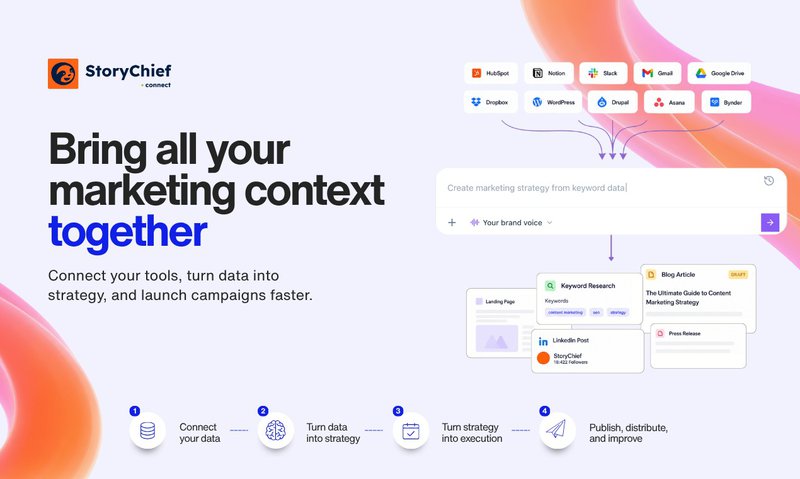
What you can do with StoryChief Connect:
- Connect your data sources
- Turn those signals into a clear strategy with William AI
- Translate strategy into an executable content plan
- Publish across channels and improve continuously with performance feedback built right into the workflow
CTA: If you want your AI marketing workflow to run end-to-end (not just in isolated tools), it’s time to connect the system behind it. Start your free trial on StoryChief and explore StoryChief Connect to streamline collaboration, publishing, and performance tracking in one place.
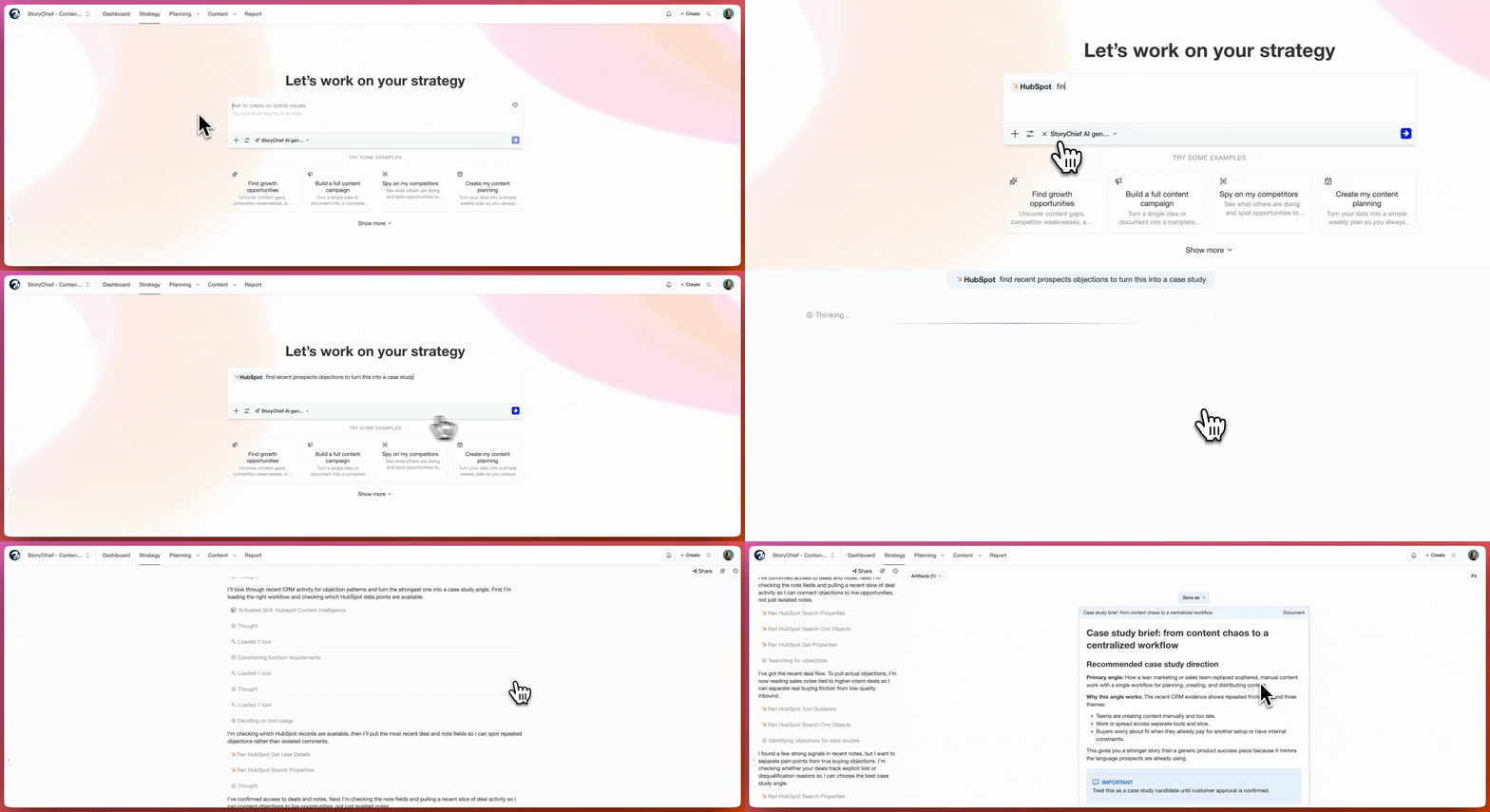
Your Competitors are Already Running AI Marketing Workflows. Are You?
Every task your team still handles manually is ground that a competitor is gaining with automation. A well-built AI marketing workflow removes the operational friction that often buries good strategy under repetitive work.
The 10 approaches in this article are not theoretical. Many teams run them daily and see the difference in output, speed, and results every quarter. The question is not whether an AI marketing workflow makes sense for your team. It is how you can build one that sticks.
StoryChief brings strategy, content creation, collaboration, multi-channel publishing, and performance analytics into one connected platform. If your team is ready to stop managing separate tools and start running a robust AI marketing workflow, StoryChief is built for that.
Start your free trial with StoryChief.io and build an AI marketing workflow your whole team will use.