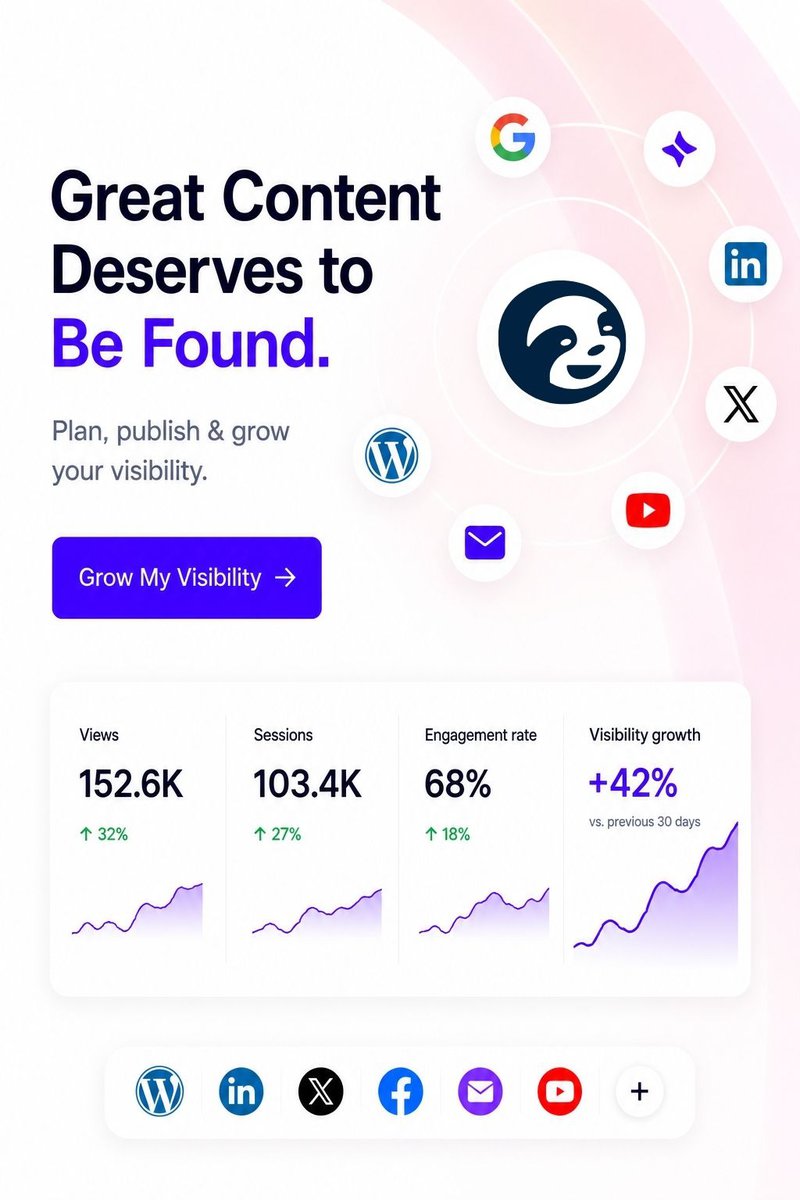




In 2026, having a strong online presence is crucial for businesses. Leading by an effective SEO marketing strategy example can significantly enhance this presence. It helps improve search engine rankings and drive more traffic to your website.
SEO involves various tactics, from keyword research to content marketing. Each plays a vital role in boosting online visibility. Understanding these elements is key to crafting a successful strategy.
This guide will provide a comprehensive example of an SEO marketing strategy. It will cover practical steps and techniques to enhance your digital strategy. Whether you're a business owner or a digital marketer, this guide is for you.
By following these strategies, you can improve your website's search optimization. This will lead to increased traffic generation and better engagement with your audience.
What Is an SEO Marketing Strategy?
An SEO marketing strategy is a comprehensive plan designed to enhance a website's visibility on search engines. It involves various techniques that aim to improve rankings and increase traffic. A well-planned strategy aligns with broader digital marketing goals.
At its core, SEO focuses on search optimization. This process ensures that your content appears prominently in search results. It combines technical and creative elements to drive traffic and boost online visibility.
Key components of an SEO strategy include keyword research and on-page SEO tactics. These help in crafting content that meets search intent and engages users. Off-page tactics, like building backlinks, also play a vital role.
An effective SEO strategy is not static. It involves continuous marketing analysis to track progress and adapt to changes. Consistently updating strategies ensures long-term success. Consider these elements for a robust SEO marketing strategy:

Why Your Business Needs an SEO Marketing Strategy
In today's digital age, online visibility is crucial for any business. An SEO marketing strategy helps improve your website's ranking, putting your business in front of more potential customers. Higher visibility means better brand recognition and trust.
An effective SEO strategy drives targeted traffic to your site. This increased traffic can lead to more conversions and higher revenue. Without a structured approach, your business might struggle to compete in search results.
Moreover, SEO is cost-effective compared to traditional marketing techniques. By investing in SEO, you gain long-term benefits. Here's why your business should embrace an SEO marketing strategy:
- Increase Brand Awareness
- Drive Targeted Traffic
- Improve Conversion Rates
- Achieve Cost-Effective Marketing
- Stay Competitive in the Market
How to Build Your SEO Marketing Strategy (with Example)
Step 1: Conduct Thorough Keyword Research
Keyword research lays the foundation for successful SEO tactics. By identifying the right keywords, you attract the right audience. Focus on high-volume, low-competition keywords for better results.
Begin by using tools like Google Keyword Planner. These tools help you find relevant terms your audience uses. Understanding search intent is crucial to meet user needs.
Keywords vary in type, from short-tail to long-tail. Long-tail keywords can capture niche audiences. They are more specific and often less competitive.
Here's a simple process for keyword research:
- Identify Seed Keywords
- Use Keyword Tools for Suggestions
- Analyze Competitor Keywords
- Assess Search Volume and Competition
Effective keyword research aligns with your overall digital strategy. It guides your content marketing and on-page SEO efforts. This step sets the stage for improved traffic generation.

Step 2: On-Page SEO Tactics for Better Search Optimization
On-page SEO involves optimizing elements directly on your website. These elements help search engines understand your content. Proper optimization improves your site's search engine ranking.
Title tags should be compelling and keyword-rich. They inform both users and search engines about your content. Meta descriptions also play a vital role in attracting clicks.
Use header tags to structure your content logically. Headers improve readability and help search engines grasp your page structure. They guide users through your content seamlessly.
Other crucial elements include image optimization and internal linking. Alt text improves accessibility and aids search engine understanding. Meanwhile, internal links help distribute page authority.
Here's a checklist for on-page SEO:
- Optimize Title Tags and Meta Descriptions
- Use Proper Header Tags
- Add Alt Text to Images
- Ensure Efficient Internal Linking
By focusing on these tactics, you enhance both search optimization and user experience. These efforts result in better visibility and higher engagement.

Step 3: Content Marketing for Online Visibility and Engagement
Content marketing is at the heart of a successful SEO marketing strategy. Quality content attracts visitors and keeps them engaged. This boosts online visibility and encourages repeat visits.
Creating valuable, relevant content is key. Your content should address the needs and interests of your target audience. By doing so, you foster trust and build a loyal following.
Incorporate varied content types to cater to different preferences. Blog posts, videos, and infographics can all enhance user engagement. This diverse approach ensures broader reach and appeal.
Also, consider optimizing content for search engines. Use keywords naturally and maintain a clear structure. This increases the chances of ranking higher in search results.
Here are steps for effective content marketing:
- Identify Audience Needs and Interests
- Produce Diverse Content Types
- Maintain Quality and Consistency
- Optimize Content for Keywords
By focusing on these aspects, your content will drive meaningful engagement and enhance SEO.

Grab your free SEO analysis today. No more hassle of switching tools and getting overwhelmed with keyword data, just actionable SEO insights at a glance.

Step 4: Building Authority with Backlinks and Off-Page SEO
Building authority is crucial for strengthening your SEO marketing strategy. Backlinks from reputable sites enhance your site's credibility and improve its search ranking. Consider them as votes of confidence from other sites.
Focus on acquiring quality backlinks rather than quantity. A few strong links from authoritative sources are more valuable than many weak ones. This approach signals trustworthiness and domain authority to search engines.
Off-page SEO extends beyond backlinks. Social media engagement and brand mentions also contribute to authority. These factors can drive traffic and strengthen your digital strategy. Keep building your online presence through networks and partnerships.
Key off-page SEO techniques include:
These strategies amplify your site's reach and boost its search ranking.

Step 5: Technical SEO and User Experience Optimization
Technical SEO plays a critical role in enhancing user experience and search rankings. By optimizing your site's backend, you ensure it performs efficiently across various devices. A well-optimized site keeps users engaged and reduces bounce rates.
To achieve this, focus on factors like site speed and mobile compatibility. Google ranks sites that load quickly and work smoothly on mobile devices higher. Regularly auditing these aspects can reveal areas needing improvement.
A positive user experience is pivotal for SEO success. Visitors expect fast-loading pages and seamless navigation. Addressing these elements will boost your online visibility and drive traffic.
Key technical SEO elements to consider:
- Enhancing Site Speed
- Ensuring Mobile-Friendliness
- Securing HTTPS Connections
These practices help deliver a seamless user experience, thereby improving your site's performance in search results.

Step 6: Local SEO Tactics for Targeted Traffic Generation
Local SEO is crucial for businesses seeking to attract customers in specific areas. By optimizing for local search, you increase your chances of appearing in location-specific queries. This helps drive relevant traffic directly to your business.
Focus on consistent NAP (Name, Address, Phone number) details across all platforms. Claiming and optimizing your Google My Business profile is vital. It enhances your visibility in local search results and maps, attracting targeted leads.
Key local SEO strategies include:
- Consistent NAP Information
- Optimizing Google My Business Profile
- Encouraging Local Reviews
Utilizing these tactics ensures that local customers find your business easily, boosting foot traffic and conversions.

Step 7: Tracking, Marketing Analysis, and Continuous Improvement
Tracking your SEO progress is crucial for ongoing success. It allows you to understand what works and what doesn't. Regular marketing analysis helps refine your strategy and align it with business goals.
Use tools like Google Analytics to monitor traffic, engagement, and conversions. SEMrush can provide insights into keyword rankings and competitor performance. These tools assist in identifying areas for improvement and honing your SEO tactics.
Consider these key activities:
- Analyzing Traffic and Engagement
- Monitoring Keyword Performance
- Evaluating Competitor Strategies
By consistently assessing your efforts, you ensure your strategy remains effective and responsive to changes in search trends. This ongoing evaluation fosters continuous improvement and supports sustainable growth.

Key Takeaways and Best Practices for SEO Planning
Effective SEO planning is pivotal for enhancing online visibility and driving business growth. The process involves setting clear goals, ongoing analysis, and staying adaptable to changes in search engine algorithms.
Successful SEO requires integrating various components, each contributing uniquely. Focus on:
- Thorough keyword research
- User-friendly content creation
- Regular marketing analysis
- Consistent local SEO efforts
By following these best practices, businesses can build a strong foundation for long-lasting online success and improved search engine rankings. Adopting a holistic approach ensures the SEO strategy aligns with broader digital goals.
Try StoryChief's free Content Audit. Discover gaps, enhance readability, and boost your SEO—all in just a few clicks. Start now and see measurable improvements in traffic, engagement, and conversion rates.

FAQ: SEO Marketing Strategy Example
What is an SEO marketing strategy, and why does my business need one?
An SEO marketing strategy is a comprehensive plan to improve your website’s visibility in search engines so you earn higher rankings and more traffic. It aligns with broader digital marketing goals and combines keyword research, on-page optimization, content marketing, backlink building, and technical SEO.
Businesses need it to increase brand awareness, drive targeted traffic, improve conversion rates, market cost-effectively, and stay competitive. Importantly, it isn’t static—ongoing marketing analysis and updates are essential for long-term success.
Question: How should I conduct keyword research for better results?
Start by identifying seed keywords, then use tools like Google Keyword Planner to find related terms. Analyze competitor keywords and assess search volume and competition to prioritize opportunities.
Focus on high-volume, low-competition terms where possible, but don’t overlook long-tail keywords that capture specific, niche intent. Always map keywords to clear search intent and use your findings to guide content creation and on-page SEO.
Which on-page SEO tactics should I prioritize for quick impact?
Optimize title tags with compelling, keyword-rich language and write click-worthy meta descriptions. Use clear header tags (H1–H3) to structure content for both readers and search engines. Add descriptive alt text to images and build efficient internal links to distribute authority and aid navigation.
Together, these improvements boost search understanding, visibility, and user engagement—and pair well with strong technical SEO (fast site speed, mobile-friendliness, and HTTPS).
How do backlinks and other off-page tactics build authority?
High-quality backlinks from reputable, authoritative sites act as votes of confidence, signaling trust and relevance to search engines. Prioritize quality over quantity; a few strong links outweigh many weak ones.
Complement link-building with off-page signals like social media engagement and brand mentions, and grow your presence through relationships, networks, and partnerships. These efforts expand reach and strengthen your domain authority and rankings.
Can you share a simple real-world example of an SEO strategy in action?
A local bakery identified relevant keywords like “fresh bread nearby” and “artisan bakery specials,” then optimized titles and meta descriptions accordingly. It launched a content plan with blog posts on recipes, baking tips, and community events to engage users and improve rankings.
For local SEO, it kept NAP (Name, Address, Phone) details consistent, optimized its Google My Business profile, and encouraged customer reviews.
The combined approach increased website traffic and in-store footfall—illustrating how coordinated keyword research, content, and local SEO drive measurable results. Ongoing tracking and analysis help maintain and refine this momentum over time.